Terra Flowers & Flavours
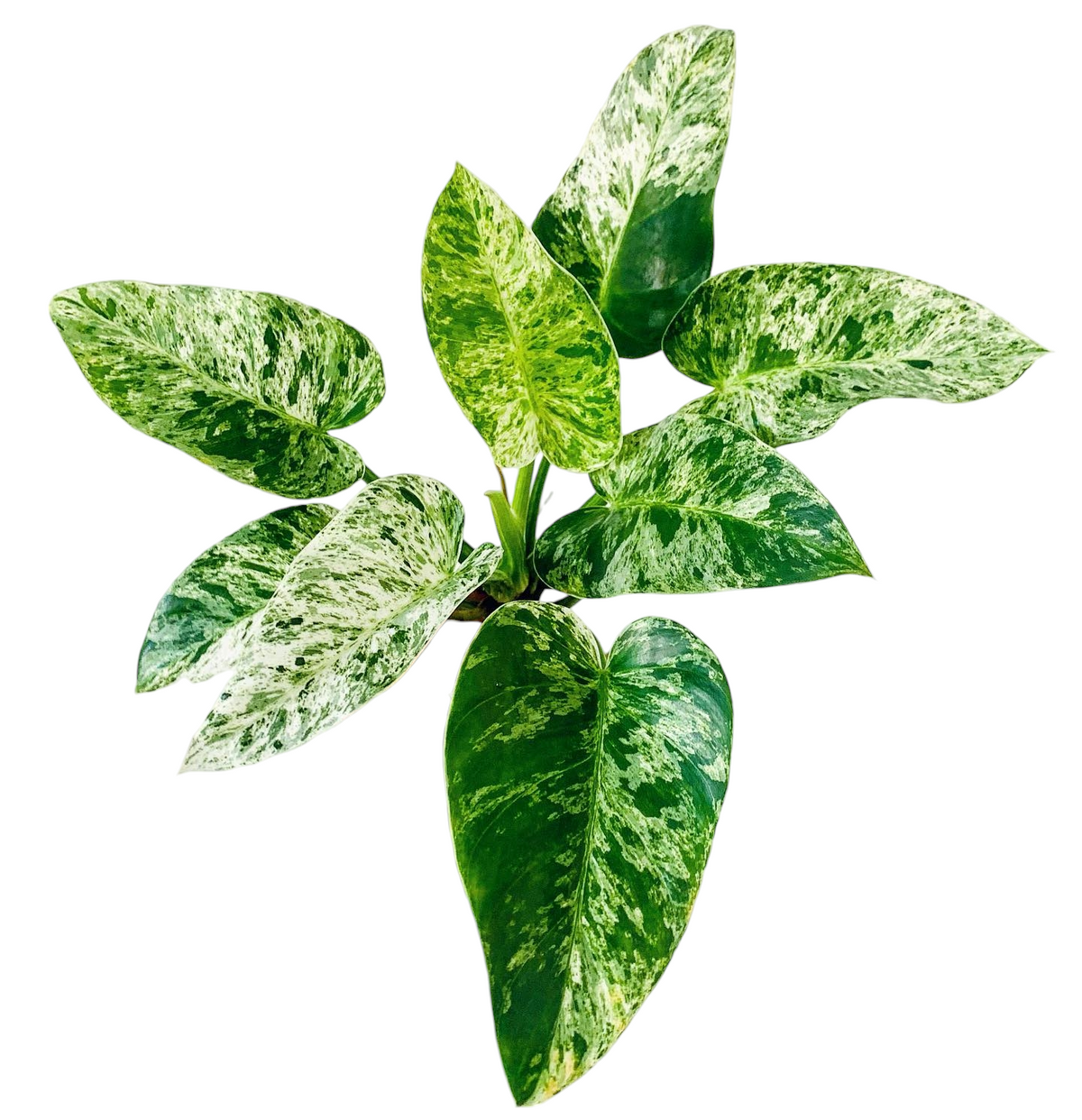
Philodendron blizzard
Philodendron blizzard
Couldn't load pickup availability
🌿 Philodendron ‘Blizzard’
Philodendron ‘Blizzard’ is a striking tropical houseplant with broad green leaves beautifully marbled and splashed with creamy white variegation. Each leaf develops its own unique pattern, giving the plant a fresh, one-of-a-kind look. Its bold foliage makes a beautiful statement in bright living rooms, offices, or other indoor spaces.
☀️ Light Requirements
Bright, indirect light is best. Place it near a bright window where the light is filtered, rather than directly against strong afternoon sun. Good indirect light helps support healthy growth and maintain its attractive variegation, while intense direct sunlight may scorch the lighter areas of the leaves.
💧 Watering & Soil
Water when the top layer of soil feels dry, then water thoroughly and allow excess water to drain away. Avoid keeping the soil constantly soggy or allowing the pot to sit in standing water.
A loose, well-draining indoor potting mix is ideal. Watering frequency will naturally change depending on the season, indoor temperature, light level, and humidity.
🌡️ Temperature & Humidity
Philodendron ‘Blizzard’ prefers a warm indoor environment with moderate to higher humidity. Keep it away from cold drafts, air-conditioning vents, and very cold windows during the winter months.
It can adapt to normal household humidity, but steadier humidity can help support healthier, fuller foliage.
🌱 Care Level
Moderate. Philodendron ‘Blizzard’ is manageable indoors, but its variegated foliage does best with consistent bright indirect light, proper drainage, and careful watering. Avoid large swings between very wet and extremely dry soil.
🐾 Pet Safety — Toxic to Cats & Dogs
Philodendrons are toxic to cats and dogs if chewed or ingested. They contain calcium oxalate crystals that may cause irritation of the mouth, lips, and tongue, along with drooling, vomiting, or difficulty swallowing.
Keep this plant out of reach of curious pets. If your pet chews or eats part of the plant, contact your veterinarian.
⚠️ Things to Watch For
-
Yellowing leaves: May be associated with overly wet soil or other environmental stress.
-
Brown or crispy areas: Can occur with dry conditions, inconsistent watering, or excessive direct sunlight.
-
Fading variegation or weaker growth: The plant may benefit from brighter indirect light.
-
Pests: Check the undersides of leaves occasionally for common houseplant pests such as spider mites or mealybugs.
Share